
Transforming Care – From Institutionalized Care towards Family-based Alternative Care Pilot Project: Final Report
In 2019, Miracle Foundation India collaborated with its 2-partner organisation Child Care Institutions (CCIs)/ Children Home Gokul Balika Ashram for girls run by Matrumandir located in Devrukh – Ratnagiri Dst. Maharashtra & AARAMBH Boys home located in Indore Dst. Madhya Pradesh is a part of its pil ot project with the goal to ‘create a replicable model for other CCIs to effectively implement Family-Based & Alternative Care through systemic change by engaging multiple stakeholders. As reflected in the goal, stakeholder engagement, sustainability, holistic approach and children’s best interest were at the core of the project.
First International Care Leavers’ Convention: Event Report
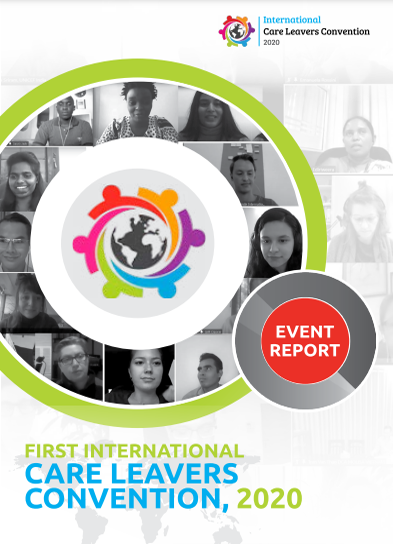
Udayan Care (India), SOS Children’s Villages, University of Hildesheim (Germany) and Kinderperspectief (Netherlands) joined hands in March 2020 to convene the first-ever international convention for Care Leavers, and it was planned in New Delhi, India, in March 2020. The organising committee closely observed the developments from March to August and continued to virtually meet and engage with the Care Leavers transnationally. A landscape survey was followed by a series of webinars from June-July with 100 young Care Leavers globally to understand the challenges they were going through during the pandemic and their needs around COVID-19. 11 gaps were identified, thus setting forth a set of recommendations in the form of “Care Leavers Declaration” to mitigate these risks. This report is a compilation of different stages of the whole convention, its various components and discussions which happened across the two months period and aims to serve as a guidebook for Care Leaver networks and organizations working with Care Leavers to seek inputs from, as well as for policymakers to understand this cohort better to develop policies in keeping with their dreams and aspirations. The report hopefully would serve as a tool for the planning of the next International Care Leavers Convention in 2022, led by Care Leavers themselves.
Leaving Care Policy Development: A brief for policy makers

The process of leaving care is a transnational and global challenge. Even though there are several variations between care-leaving policies and the availability of support worldwide, the challenges faced by Care Leavers are similar everywhere. Most countries lack a clear policy on leaving care. Care Leavers often become nobody’s responsibility and data systems in most countries are not well established. Consequently, most Care Leavers worldwide face challenges in housing, education, employment, mental health and psycho-social wellbeing and social support networks. A policy on leaving care must primarily aim to improve the life opportunities of Care Leavers as they transition to independent living. Any such policy must aim to improve their life outcomes and prepare them to leave care smoothly; support their active participation in decision making, and provide adequate and appropriate aftercare support. This policy brief puts together the key guiding principles that can support policy makers while developing policies on leaving care, as expressed by Care Leavers themselves, during the 1st International Care Leavers Convention 2020.
Compendium on Family Strengthening and Alternative Care in India

Commissioned by Changing the Way We Care, through IACN, the Compendium, is a collection of existing practices on family strengthening and alternative care, that offers us a glimpse into the approaches adopted by various agencies across the country. It serves as a good resource to both practitioners as well as policymakers, as it offers us insights into what works well and aspects that are currently posing a challenge requiring a solution.
Mapping the Situation of Children aged 15 years and above and Residing in Bihar Child Care Institutions
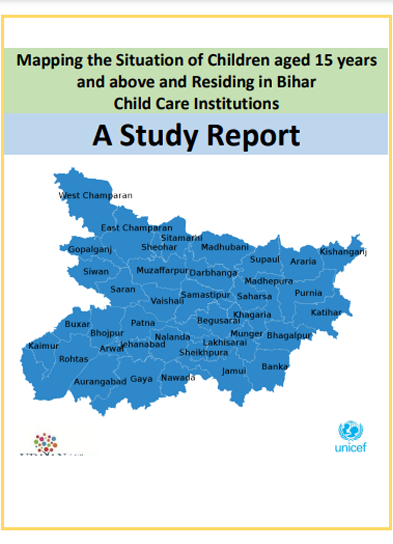
A Study Report
The Families Matter Program (FMP)
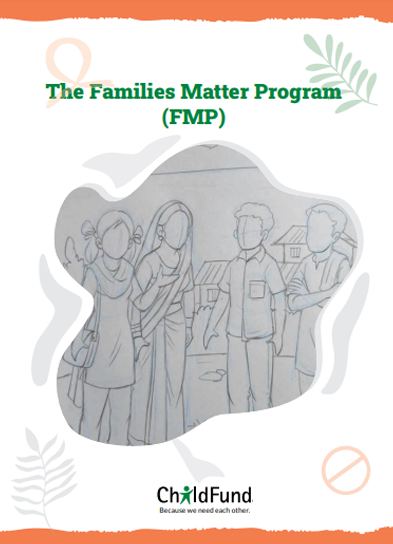
ChildFund’s Families Matter Program (FMP) aims at promoting positive parenting and effective child-parent communication. It is primarily focused on parents or caregivers of adolescents aged between 10-19 years old. It includes topics like sexuality, and sexual risk reduction, including risk for chil d sexual abuse and gender-based violence. FMP recognizes that many parents and guardians may need support to effectively convey values and expectations about sexual behaviour. It supports them to communicate important issues like HIV, STD, pregnancy prevention etc. to their children, thereby preventing adolescents from falling into risk situations and unnecessary separation from their families.
LEAVING CARE POLICY DEVELOPMENT: A policy brief for practitioners
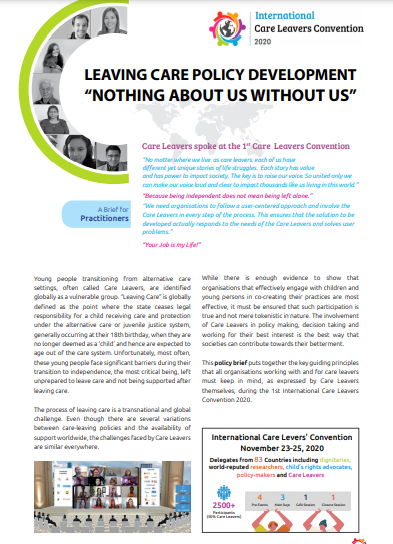
The process of leaving care is a transnational and global challenge. Even though there are several variations between care-leaving policies and the availability of support worldwide, the challenges faced by Care Leavers are similar everywhere. While there is enough evidence to show that organisation s that effectively engage with children and young persons in co-creating their practices are most effective, it must be ensured that such participation is true and not mere tokenistic in nature. The involvement of Care Leavers in policy making, decision making and working for their best interest is the best way that societies can contribute towards their betterment. This policy brief puts together the key guiding principles that all organisations working with and for care leavers must keep in mind, as expressed by Care Leavers themselves, during the 1st International Care Leavers Convention 2020.
FAQs Document – Every Child’s Right to Family Life: An Introduction to Family Strengthening and Alternative Care in India
This document, titled ‘Every Child’s Right to Family Life: An Introduction to Family Strengthening and Alternative Care in India’ is compiled by the India Alternative Care Network (IACN) in collaboration with Hope and Homes for Children and UNICEF, India. It answers the most frequently asked questio ns surrounding family strengthening and alternative care while also addressing the misconceptions around it.
Support care leavers to have better outcomes in life – Submitted to the Committee on the Rights of the Child, towards DGD 2021
Children with experience of institutionalisation struggle during their transition to independent living because of the adverse effects of institutionalisation and the lack of social, emotional, and financial support systems necessary for a safe transition. They also often lack the safety net and buf fer a supportive family offers, which puts them at a high risk of falling back into the vicious cycle of poverty.
Vulnerabilities Assessment of Children and Families- MADHYA PRADESH
Vulnerabilities Assessment of Children and Families- Understanding Risks and Possibilities for Non-Institutional Family-Based Care Models